

Coming out of surgery usually means dealing with swelling, stiffness, and a body that just does not move the way it used to. Even after the incision itself has healed, that stiffness kind of lingers.
Most people get cleared by their surgeon to return to normal activity long before the surrounding muscle and fascia have actually caught up, and that gap is exactly what we spend most of our post-surgical sessions addressing.
Our leading massage therapy plays a big part in closing that gap, working alongside gentle chiropractic care to help the tissue catch up to where your surgeon says you should be. It is not just about comfort either, it is about giving your body the support it needs to heal the right way. Knowing what to expect before your first visit makes the whole process feel a bit less uncertain.
Surgery, even a minor procedure, creates inflammation and disrupts the normal flow of fluid through the surrounding tissue. Swelling can linger for weeks, scar tissue starts forming as the area heals, and the muscles around the surgical site often tighten defensively, sometimes without the client noticing.
None of that shows up on a follow-up scan, but it still affects how you move and how much pain you feel during daily activity.
This is where targeted bodywork earns its place in a recovery plan. Lymphatic drainage massage, one of the techniques Hannah on our team specializes in, uses gentle, rhythmic strokes to encourage fluid movement and reduce lingering swelling around the surgical area.
It is not deep or aggressive work. That is the point during early recovery, when the tissue is still sensitive and needs support rather than pressure.
For clients weighing their options early on, it also helps to understand deep relief vs. medication as a recovery approach, since bodywork addresses the underlying tissue rather than just masking discomfort.
Before we schedule anything, we walk through a short set of questions so the session plan fits your actual situation instead of a generic post-surgical routine.
If you are not sure what your surgeon would say about hands-on work, check with them directly before your first appointment. We would rather ask twice than work on tissue that is not ready for it. Following a few tips for best results before your visit can also help your body respond better to early-stage treatment.
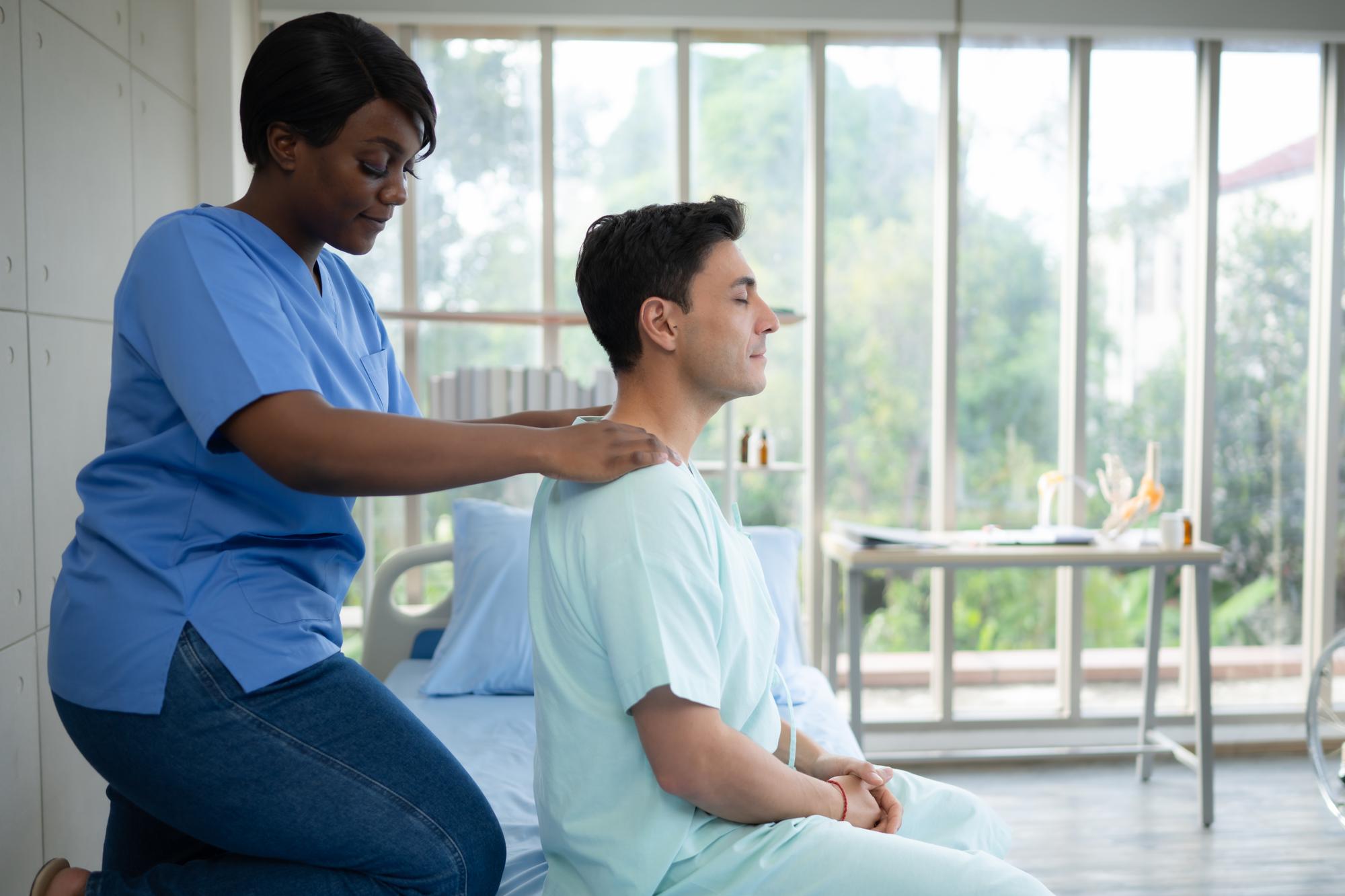
The modalities we lean on shift as your recovery progresses. The table below shows how early and later-stage post-surgical care typically differ at Deep Relief.
| Recovery Phase | Modalities We Use | What It Addresses |
|---|---|---|
| Early recovery (just cleared by your surgeon) | Lymphatic drainage massage, MLS-7 cold laser therapy, gentle chiropractic with the Arthrostim instrument | Swelling, inflammation, and gentle mobility without pressure on the healing area |
| Later recovery (cleared for deeper work) | Orthopedic massage, DR Hit The Spot™ deep tissue method, scar tissue work | Muscle compensation patterns, trigger points, and adhesions around the incision site |
Our MLS-7 cold laser therapy, delivered by Crystal, uses specific wavelengths of light to reduce inflammation and support tissue repair at the cellular level, a process called photobiomodulation. It is non-invasive and does not involve any pressure on the healing area, which makes it a good fit even in the earliest stages of recovery.
Still dealing with swelling or stiffness weeks after your procedure? Call us at (512) 529-0027, and we will talk through where you are in your recovery and what would help.
As swelling goes down and your surgeon gives the go-ahead for more direct work, we start layering in orthopedic massage to address the muscle compensation patterns that built up while you were protecting the surgical site. This usually means working muscles not directly related to the surgery itself but that have been overcompensating for weeks, which is often where a lot of the lingering stiffness comes from.
Once you are further along, we can introduce our deep tissue massage through the DR Hit The Spot™ method to work through any remaining trigger points or adhesions that formed during the healing process, always calibrated through our Perfect Pressure Number System so the pressure stays appropriate for tissue that is still rebuilding strength.
Scar tissue itself can also be addressed directly at this stage, since breaking up adhesions around the incision site often improves both mobility and sensation in the area.
Recovery from surgery rarely wraps up in a single session, which is why most clients in this situation end up on a plan that spans several weeks or months rather than a one-time visit. Our DR Wellness Plan at $100 a month includes one 50-minute session that can be applied to massage, acupuncture, dry needling, or chiropractic care, with $30 off any additional sessions and a 90-day credit rollover if your recovery timeline shifts.
If your surgery was related to a workplace injury, we accept OWCP for eligible federal employees. We are also in-network with Blue Cross Blue Shield for clients using other insurance plans.
Coordinating massage, cold laser, and chiropractic care in the same clinic means you are not explaining your surgical history to a new provider every time your treatment plan needs to adjust as you heal.
Yes. We confirm where you are in your recovery timeline and that your surgeon has cleared you for hands-on bodywork near the surgical site before scheduling anything. If you are not sure what your surgeon would say, check with them directly before your first appointment.
In the first few weeks after clearance, we typically use gentler modalities such as lymphatic drainage massage for swelling and MLS-7 cold laser therapy for inflammation and tissue repair. Gentle chiropractic care using the Arthrostim instrument may also be appropriate for joint-related surgeries.
Deep Relief is in-network with Blue Cross Blue Shield and accepts OWCP for eligible federal employees managing a workplace injury claim. Coverage depends on your specific plan, so verify your benefits before booking.
Recovery from surgery rarely resolves in a single session. Most clients follow a plan spanning several weeks or months, often through the DR Wellness Plan, which includes one 50-minute session per month applicable to massage, acupuncture, dry needling, or chiropractic care.
If you are recovering from surgery and want a treatment plan built around where you actually are in that process, Deep Relief is in Oak Hill, Austin, TX, and coordinates massage, cold laser therapy, and gentle chiropractic care under one roof.
Book now, call us at (512) 529-0027, or visit us at 7101 State Hwy 71, Suite A-1, Austin, TX 78735. We are open Monday through Friday from 10 AM to 7 PM, and Saturday and Sunday from 10 AM to 6 PM.